
May 21, 2026
If you are looking at a teardown or vacant lot in Pacific Palisades, the lot size is only part of the story. In this market, topography, overlays, coastal rules, hillside constraints, tree review, and permit sequencing can all shape what a property is really worth. Understanding those layers early can help you avoid surprises, price a property more accurately, and move forward with more confidence. Let’s dive in.
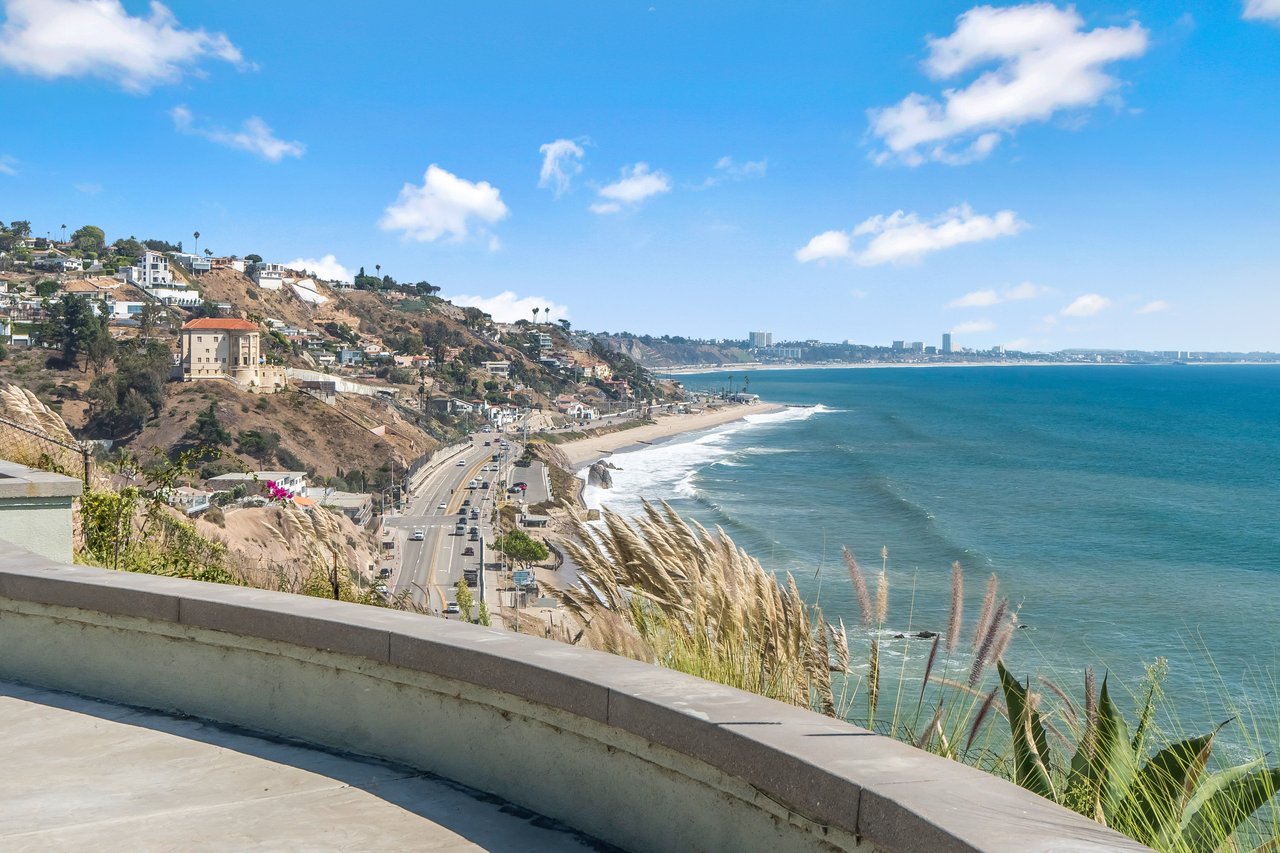
Pacific Palisades is not a simple plug-and-play land market. The City describes the Brentwood and Pacific Palisades Community Plan Area as a place defined by low-density housing, open space, rolling topography, scenic views, and compatibility with surrounding development.
That matters because a parcel’s value often depends on more than frontage, square footage, or a view line. A site may also sit within coastal boundaries, hillside regulations, scenic corridor controls, or specific plan areas that affect what can be built and how long approvals may take.
For buyers, that means underwriting a teardown or lot sale requires deeper review than a standard home purchase. For sellers, it means the strongest marketing position usually comes from understanding the parcel’s constraints and possibilities before going to market.
The first screen should be the parcel’s base zoning, land use designation, and any overlays shown through City tools such as ZIMAS. In Pacific Palisades, the City’s rebuild and recovery map is especially useful because it combines zoning, coastal-zone boundaries, fire damage, and specific-plan areas in one place.
This step helps answer the most basic questions. Is the parcel in the Coastal Zone? Is it inside a specific plan area? Are there hillside or scenic corridor rules that could affect design, grading, or review?
In Pacific Palisades, those are not minor details. They are often the foundation of the entire deal.
Two lots with similar size and location can perform very differently if one has fewer review triggers. A parcel with straightforward administrative clearance may offer a shorter and more predictable path than a parcel with coastal review, bluff constraints, tree issues, or discretionary approvals.
That is why experienced lot buyers focus on buildability, not just lot dimensions. In Pacific Palisades, the time, sequence, and probability of approvals can materially affect price.
If a property is in the Coastal Zone, development generally cannot begin until a coastal development permit has been issued by the local government or the California Coastal Commission, depending on the project and location. The Commission also defines development broadly, so this review is not limited to entirely new construction.
In practice, that means a teardown buyer should confirm coastal status early, not later. The City’s Palisades guidance notes that ZIMAS can show Coastal Zone status, Coastal Bluff Potential, Canyon Bluff Potential, and biological-resource potential in the parcel’s Additional tab.
If bluff-related fields are marked “Yes,” bluff review is required under current City guidance. If biological-resource potential shows Medium or High, biological review is required.
Current Palisades guidance also references setbacks of 25 feet from a coastal bluff edge and 10 feet from a canyon bluff edge for certain projects. Even when a site looks attractive on paper, those constraints can affect the build envelope in meaningful ways.
For residential projects in the Coastal Zone, the Mello Act may be relevant because it requires replacement of affordable units where feasible. This is one more reason buyers and sellers should evaluate the prior use and development context of a parcel before assuming a simple rebuild path.
Pacific Palisades is a topography-driven submarket, and the City’s planning documents make that clear. The community plan states that hillside areas should be limited to the intensity and density that infrastructure and natural topography can accommodate.
The plan also places areas with average slope of 15 percent into the minimum-density category or more and calls for strict implementation of the Citywide Hillside Ordinance. In other words, slope is not just a design issue. It can affect what the site can reasonably support.
The City’s Hillside Construction Regulations were created for hillside communities with constrained access and geotechnical sensitivity. These regulations limit grading, haul trips, and construction hours, and they may also trigger Site Plan Review for houses larger than 17,500 square feet.
That makes grading and access analysis essential in Pacific Palisades. A parcel with difficult slope, limited access, or challenging haul logistics may carry more construction risk and a longer timeline than a flatter, easier site.
The City says the Palisades has been a Very High Fire Hazard Severity Zone since 1999. Current wildfire-resilience planning identifies steep slopes, dense vegetation, narrow roads, limited evacuation routes, and water-supply vulnerability as key constraints.
The same planning work also warns that burned slopes can increase debris-flow, erosion, and landslide risk. For teardown and lot buyers, that means fire and post-fire site conditions should be evaluated as part of the buildability picture, not as an afterthought.
Tree review is another issue that can materially affect timing. Any discretionary application that changes a building footprint, including demolition or grading permit applications, must include a Tree Disclosure Statement.
If protected trees or nearby public-right-of-way trees may be affected, a qualified tree expert must prepare a Tree Report. City tree-removal permits for protected trees and shrubs average 90 to 120 days after a complete submittal, and approval is not guaranteed.
For both buyers and sellers, this is a major point. A site with mature trees may offer privacy or visual appeal, but tree-related review can also affect design, timing, and carrying costs.
Not every project follows the same approval path. City Planning distinguishes administrative approvals from discretionary approvals.
Administrative approvals verify compliance and are not appealable. Discretionary approvals, which include items such as subdivisions and other quasi-judicial or legislative actions, may be appealed and must be fully cleared before LADBS can issue building permits.
A by-right or mostly administrative project may be more attractive because the timeline is usually more predictable. Once a project becomes discretionary, formal review and the possibility of appeals can introduce more uncertainty.
That does not automatically make a parcel undesirable. It simply means the buyer is often underwriting not just the lot, but also the review path.
A common misconception is that a teardown is a single permit event. The City’s current guidance makes clear that demolition, grading, and related permits are handled as separate online permit types through LADBS’ ePlanLA platform.
That means project sequencing matters. Even when the end goal is clear, the path to get there may involve separate tracks for planning review, demolition, grading, tree issues, coastal review, and building permits.
For sellers, that complexity can affect how a property should be presented to the market. For buyers, it reinforces the importance of reviewing the full sequence before pricing the opportunity.
If you are evaluating a teardown or lot in Pacific Palisades, a practical early checklist should include:
This kind of review can help you decide whether a parcel is relatively straightforward or whether it carries timing and entitlement risk that should affect your offer.
If you are selling a teardown or lot, pre-market preparation can improve buyer confidence. Buyers in this segment are not just comparing addresses. They are comparing risk.
The more clearly you can present the parcel’s zoning context, overlays, major review triggers, and likely process considerations, the easier it is for qualified buyers to assess the opportunity. In many cases, better information supports stronger positioning and a more efficient sale process.
The City’s dedicated Palisades planning email, One-Stop Rebuilding Center, and area-specific map all point to the same reality: one parcel may require coordination across several review tracks. In Pacific Palisades, local expertise is not a luxury. It is part of responsible underwriting.
That is especially true for trustees, estate representatives, developers, and owners navigating emotionally sensitive or high-value decisions. Clear process guidance, careful marketing, and disciplined transaction management can make a meaningful difference.
A teardown or vacant lot in Pacific Palisades can represent real opportunity, but only when the property is evaluated in context. Here, lot value is often shaped by the interaction of zoning, topography, coastal review, trees, fire-related conditions, and the approval path.
If you understand those factors early, you can make smarter pricing decisions, avoid avoidable delays, and move with more clarity. If you are considering buying, selling, or quietly exploring a lot or teardown opportunity in Pacific Palisades, The Cilic Group can help you evaluate the property with local insight and a fiduciary-grade approach.

At The Cilic Group, we blend our love for real estate with a commitment to community. Partner with us to achieve your real estate dreams and make a lasting difference together.
15140 W Sunset Blvd Pacific Palisades CA 90272 Joe Cilic | CA DRE# 01421044