
June 4, 2026
If you picture Pacific Palisades as one single lifestyle, you may miss what makes it so compelling. In practice, the Palisades feels like several places at once, shaped by bluffs, canyons, hillsides, and a village core that each create a different daily rhythm. If you are thinking about living here, moving within the neighborhood, or simply understanding its character more clearly, this guide will help you compare the coast, the canyons, and the Village with a local lens. Let’s dive in.
Pacific Palisades is primarily residential, with a small business district at its core known as the Village. But that simple description only tells part of the story. The area is better understood as a collection of micro-lifestyles shaped by topography, access, and how you want your days to feel.
Some parts of the Palisades put you closer to the beach and outdoor recreation. Other areas feel more tucked away, quiet, and trail-oriented. Then there is the Village, which brings together civic life, errands, and familiar weekly routines in a more walkable setting.
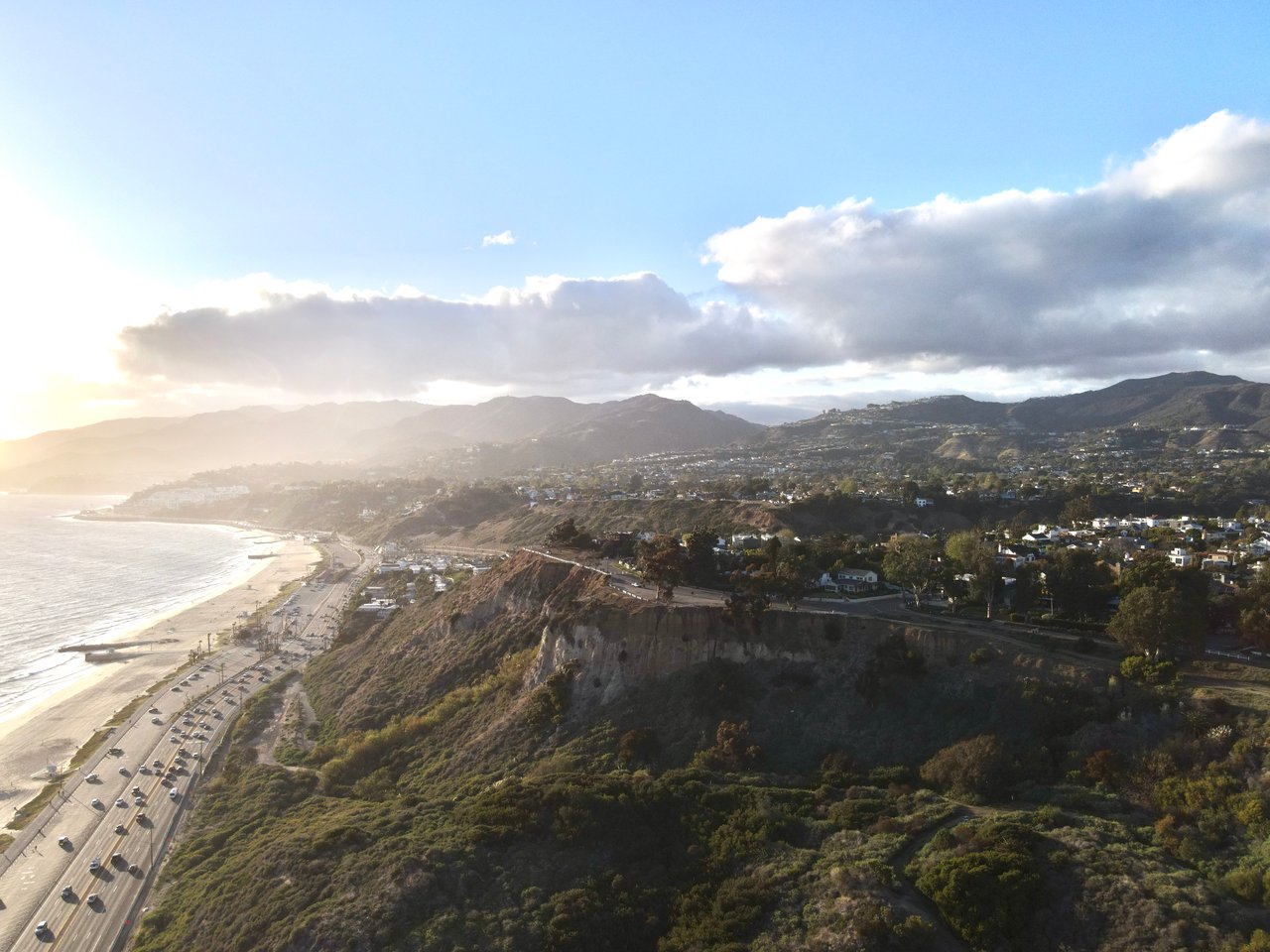
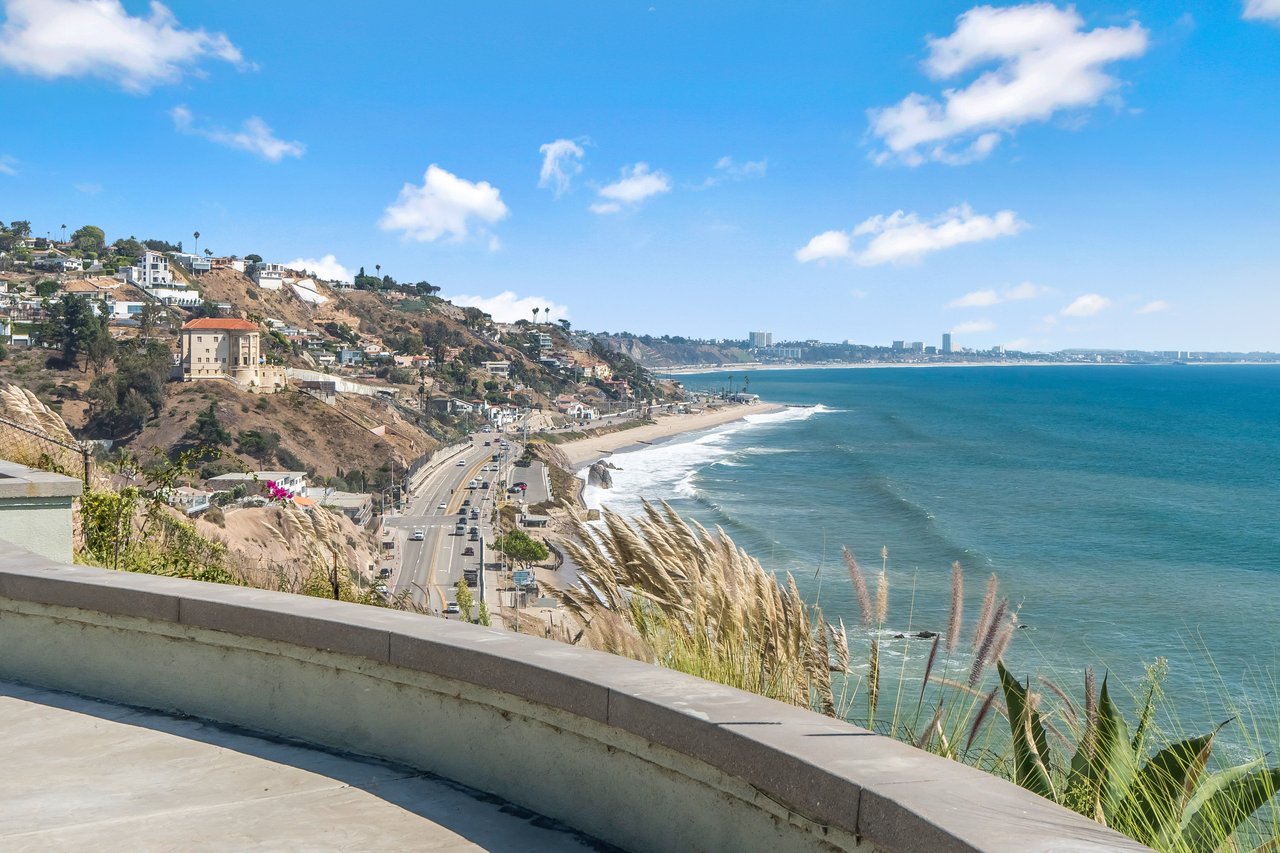
The coastal side of Pacific Palisades tends to feel the most scenic and recreation-forward. This includes areas such as Castellammare, Paseo Miramar, Pacific View Estates, and the Sunset and Pacific Coast Highway edge. Here, your routine is often shaped by views, open air, and easier access to the shoreline.
For many people, the biggest draw is how naturally outdoor activity fits into the day. Will Rogers State Beach offers swimming, surfing, fishing, diving, volleyball courts, restrooms, showers, and bike path access. Parking Lot 5 is currently closed for wildfire recovery, which is worth keeping in mind if beach access logistics matter to you.
Living closer to the coast often means your free time can revolve around the water and the bluff-top setting. Beach walks, bike rides, and quick trips to the sand feel more built into daily life than they do in more inland pockets of the neighborhood. The setting can feel destination-like, even on an ordinary weekday.
The coast also connects well to major outdoor landmarks nearby. Will Rogers State Historic Park reopened in November 2025 and remains a major amenity with hiking trails, horseback riding, guided tours, vista points, and access to the Inspiration Point and Rivas Canyon trail network. That mix of beach and trail access is part of what gives this area its unique appeal.
The coastal lifestyle is not always the most errand-focused or village-centered. If your ideal routine depends on frequent walkable stops for day-to-day needs, the coast may feel less practical than the Village core. Its strength is the setting and recreation, not a dense concentration of conveniences.
If the coast feels open and destination-driven, the canyons and hills often feel more secluded and tucked away. This side of Pacific Palisades includes the Highlands and Santa Ynez Canyon, Marquez Knolls, Rustic Canyon, Lower Rivas Canyon, and the Temescal and Chautauqua slopes. These areas are often defined by a quieter residential atmosphere and a strong connection to trails and open space.
Temescal Gateway Park is a major part of that experience. The park covers 141 acres of oak and sycamore canyons and ridgetop views, with access to trails into Topanga State Park, Will Rogers State Historic Park, and the broader Santa Monica Mountains trail system. Will Rogers also connects hikers to the Rivas Canyon Trail and the Backbone Trail.
For many residents, the appeal here is privacy and pace. The canyons and hillsides often feel calmer and more removed from through-traffic and commercial activity. If you want a home base that feels residential first and social second, these areas often match that preference well.
The landscape also shapes the mood of everyday life. Oak canyons, hillside streets, and trail access can make the neighborhood feel more retreat-like. You may trade some convenience for that setting, but for many people, that is exactly the point.
The practical trade-off is that errands and social plans usually require more driving. The research points to a greater reliance on the car in these areas, especially compared with the Village. If you value quiet and trail access over quick convenience, the balance may feel worthwhile.
The Village is the civic and commercial anchor of Pacific Palisades. City planning for the area is designed to keep it low-intensity, community-oriented, and pedestrian-friendly. In lifestyle terms, this is the part of the neighborhood that tends to feel most practical for errands, routines, and staying connected to community life.
Palisades Village has been described as a walkable center with more than 40 boutiques, dining, entertainment, and fresh-food experiences. At the same time, the current reality matters. As of June 2026, the visitor page labels Palisades Village temporarily closed, while Caruso lists reopening in August 2026, which means the retail core remains in a phased return.
Even during recovery, weekly patterns continue to shape the Village experience. The Pacific Palisades Certified Farmers' Market runs every Sunday, year-round, from 8:00 a.m. to 2:00 p.m. Nearby civic anchors also include the Palisades Branch Library, which helps keep the area tied to everyday neighborhood life.
This matters because the Village is not just about shops. It is where many people orient their routines, whether that means weekend errands, community stops, or a sense of being close to the neighborhood's central gathering points.
Any honest look at Pacific Palisades lifestyle in 2026 has to include recovery. The area is no longer access-restricted, but rebuilding remains active. The city has opened a dedicated Palisades Inspections and Permitting Support Center and continues to frame the area around rebuilding homes, parks, commercial areas, and community spaces.
That also means some amenities are still in transition. The Palisades Recreation Center says recreational programming is closed until further notice due to the fire. So when you think about Village life today, it is best to think of it as both functional and evolving.
Each part of Pacific Palisades offers a different balance of scenery, privacy, convenience, and recovery status. None is universally better. The right fit depends on what you want your normal week to look like.
| Area | Best Known For | Daily Feel | Main Trade-Off |
|---|---|---|---|
| Coast | Beach and bluff-top access | Scenic, active, recreation-focused | Less centered on errands and walkable convenience |
| Canyons and Hills | Privacy and trails | Quiet, tucked-away, residential | More driving for errands and social plans |
| Village | Civic and commercial core | Practical, community-oriented, walkable | Recovery and phased reopening still shape the experience |
If you imagine morning beach runs, ocean air, and easy access to outdoor recreation, the coast may feel most natural. If you prefer a quieter residential setting with stronger access to trails and a more tucked-away atmosphere, the canyons and hills may stand out. If you want the most practical relationship to errands, civic anchors, and a neighborhood center, the Village usually makes the strongest case.
The key is to look past the name Pacific Palisades as if it describes one uniform experience. It does not. The neighborhood works best when you understand its internal variety and choose the part that aligns with your pace, priorities, and expectations.
In a market as nuanced as Pacific Palisades, local perspective matters. If you are evaluating where you fit best, planning a move, or navigating a property decision during the area’s continued recovery, The Cilic Group can offer a confidential, informed point of view grounded in real neighborhood knowledge.

Looking for the best real estate agent in Pacific Palisades? Joe Cilic of The Cilic Group has led Sotheby's #1 Palisades team for 7 straight years, with over $170M in … Read more


At The Cilic Group, we blend our love for real estate with a commitment to community. Partner with us to achieve your real estate dreams and make a lasting difference together.
15140 W Sunset Blvd Pacific Palisades CA 90272 Joe Cilic | CA DRE# 01421044