Is there a single “best month” to sell in Pacific Palisades? Not exactly. In our coastal, luxury market, the right time depends on seasonality, inventory, and the specific strengths of your property. If you want maximum exposure with minimal risk, you need a plan that blends timing with real data.
In this guide, you’ll learn the peak windows for listing, the key indicators to watch, and a step-by-step prep and launch strategy tailored to Pacific Palisades. You will also see contingency options if conditions change after you hit the market. Let’s dive in.
How the Pacific Palisades market works
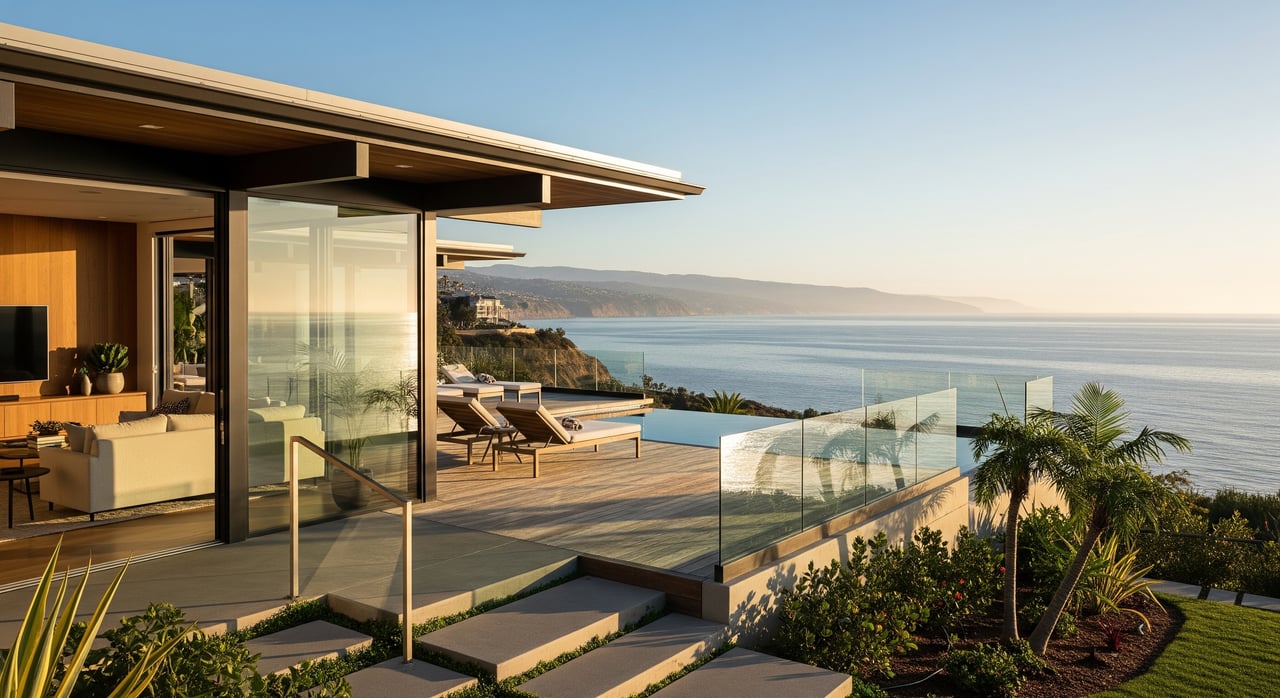
Pacific Palisades is a high-price, Westside neighborhood with mostly single-family homes, many with ocean or canyon views. Inventory is low at any given time, and every property is unique. That creates pricing variability and makes timing more important.
Your buyer pool often includes local high-net-worth households, families planning around the school calendar, lifestyle buyers seeking proximity to beaches and Palisades Village, and downsizers. Many are less sensitive to mortgage rates than average buyers, though rates still influence overall activity. Off-market and pocket listings are common, so strong broker outreach matters.
The practical takeaway: plan for a longer prep cycle, invest in standout marketing, and price with care. Thin comps and wide price dispersion require a precise strategy.
Seasonality in Pacific Palisades
Late February to mid or late May
- Pros: This spring window brings the broadest buyer pool. Families aim to close before a new school year. Landscaping and light boost curb appeal and photography. When inventory is tight, show traffic rises and multiple offers are more likely.
- Cons: You face more competition since new listings typically increase. If mortgage rates are high, demand may look busy but still be selective.
Q1 nuance: January to March
- Pros: Listing in late Q1, especially late February to March, can capture early demand with less competition if you get out ahead of the spring rush.
- Cons: Early January is slow. Listing too early can lead to longer days on market. If your home needs significant prep, the timeline to close before summer can be tight.
Summer: June to August
- Pros: Good light and outdoor living shine. Some buyers prefer to move during summer break.
- Cons: Many buyers travel, so search intensity softens. Inventory can be thin, and showings may be sporadic.
Early fall: September to mid November
- Pros: This is the second-best window. Buyers return from summer with year-end goals. Affluent buyers re-engage, which can make fall ideal for unique or legacy properties.
- Cons: You have a shorter runway to complete inspections and close before the holidays. Landscaping may not pop as much as spring.
Holiday and winter: mid November to January
- Pros: With fewer listings, a strong, well-priced property can stand out. Discreet marketing can attract serious buyers who transact year-round.
- Cons: Overall buyer activity is lowest. Holiday schedules can slow timelines and reduce visibility.
Timing takeaway
- Primary window: late February through May for maximum buyer reach and school-year timing.
- Secondary window: September through October for motivated, year-end buyers and high-end listings.
- Avoid early January unless your home is fully market-ready and priced for discerning buyers.
Use data, not dates: a simple decision checklist
Before you commit to a launch date, pull fresh data for 90272 across the last 30, 60, and 90 days. Focus on these metrics:
- Months of supply. Less than 4 suggests a seller’s market. Four to 6 is balanced. More than 6 favors buyers.
- Pending to active ratio. A rising ratio signals stronger demand.
- Median days on market. Falling DOM indicates a faster market.
- Median sale price trend and list-to-sale price ratio. Ratios at or above 98 percent suggest firm pricing power.
- New competing listings in your bed, bath, and price band over the next 30 days.
- Mortgage rate trend over the last 30 days.
Use these rules of thumb:
- If months of supply is under 4, DOM is falling, and list-to-sale is 98 percent or higher, the market favors sellers. Choose the spring window or launch immediately if you are in the early fall window.
- If months of supply is 4 to 6, DOM is flat, or list-to-sale is 95 to 98 percent, the market is balanced. Favor spring if you can. If listing in fall, focus on top-tier staging and precise pricing.
- If months of supply is over 6, DOM is rising, or list-to-sale is under 95 percent, conditions favor buyers. Consider waiting for a better seasonal window if your timeline allows, or lean into a firm contingency plan.
Also watch for:
- Mortgage rate swings over the prior 30 days. Sudden changes can move demand fast.
- A spike in comparable new listings. If several direct competitors just hit the market, consider delaying 2 to 4 weeks.
- Very recent sales within your micro-area. View and lot quality can shift value materially.
Timeline to get market-ready
Most Palisades homes benefit from 4 to 8 weeks of preparation. The aim is to present a turnkey, emotionally compelling product, then launch into your best seasonal window.
What to include in 4 to 8 weeks:
- Targeted repairs, paint, and minor updates that deliver high ROI
- Decluttering, deep cleaning, and professional staging
- Professional photo, video, drone, and twilight imagery
- Pre-listing inspection if desired, so you control the narrative
For larger projects or permits, allow 8 to 16-plus weeks. In many cases, a refresh beats a full remodel on both time and return.
Launch strategies by season
Spring strategy
- Run 2 to 3 weeks of pre-marketing with broker previews and targeted outreach to likely buyers.
- Go live on MLS, then follow with an opening weekend of elevated exposure.
- Emphasize lifestyle: proximity to beaches and Palisades Village, outdoor living, and convenient access to Westside hubs.
Fall strategy
- Highlight year-end goals and a smooth closing timeline.
- Use private showings and invitation-only events for agents and qualified buyers.
- Lean on high-end brokerage networks and discreet outreach to known buyer pools.
Summer and winter adjustments
- Summer: Prioritize outdoor features and flexible showing schedules around travel. Expect a more selective but serious audience.
- Winter: Leverage low competition with strategic pricing and discreet marketing. Plan for holiday-driven delays in scheduling.
Pricing strategy by market type
- Seller’s market: Consider competitive pricing, sometimes slightly under the top comp, to create urgency and potential multiple offers. Avoid overpricing.
- Balanced market: Price at or just below the best comparable sale to lead your segment. Be ready to negotiate.
- Buyer’s market: Price to expected market value and package the home with buyer-friendly conveniences such as a home warranty or flexible terms.
In Pacific Palisades, view, lot, and micro-location can redefine value. A Riviera view home is not directly comparable to a non-view property in another sub-area. Anchor your pricing strategy to 3 to 6 recent comps in the same view or lot category.
Contingency plans if conditions change
Have backups ready before you list so you can act decisively.
- If buyer traffic is weak after 10 to 14 days: Reassess against the freshest comps and consider a modest price adjustment of 1 to 3 percent. You can also add incentives such as a credit for a rate buy-down or flexible closing.
- If mortgage rates spike: Shift messaging to cash and high-net-worth buyers, expand broker outreach, and extend your marketing runway instead of cutting price immediately if your timeline allows.
- If inventory surges mid-campaign: Sharpen differentiation with upgraded staging, fresh visuals, and targeted digital marketing. Offer terms that make it easy to say yes, such as an accelerated close if that fits your goals.
- If you receive multiple offers: Use escalation clauses carefully. Prioritize net proceeds and weigh non-price terms like contingencies, financing, and closing timetable.
- If you decide to hold: Consider a short-term leaseback or renting the property. Balance carrying costs against expected market improvement and consult your financial or tax advisor on options such as 1031 exchanges for investment property.
Micro-market and school calendar considerations
Pacific Palisades includes distinct micro-areas such as the Riviera, Huntington and Alphabets, Via Bluffs, El Medio Bluffs, Marquez Knolls, Rivas Canyon, Castellammare, and the Highlands. View corridors, street dynamics, lot size, and proximity to amenities can shift buyer behavior and pricing.
Family buyers often try to close before a new school year. That is one reason spring performs well. If your buyer profile skews toward lifestyle or second-home purchasers, early fall can be equally effective, especially for unique or high-end properties.
What to pull before you pick a date
Ask your agent to gather these items for 90272 on a 30, 60, and 90-day rolling basis, with year-over-year comparisons where possible:
- Active listings count and new listings per month, by price band
- Months of supply overall and by price band
- Median days on market and trend
- Median sale price month over month and year over year
- List-to-sale price ratio
- Pending to active ratio and number of price reductions in the last 30 days
- Closed sales in the last 90 days to confirm liquidity
- Comparable sales, 3 to 6 in your exact view and lot category within the last 6 months
Primary data sources include CRMLS and other MLS reports, local brokerage market snapshots, Los Angeles County public records, and national research from respected sources. Always combine neighborhood metrics with property-level analysis, since a single high-end sale can skew medians.
A simple plan you can follow
- Sixty to 90 days out: Review the six key metrics and your property’s likely buyer profile. Choose spring or early fall as your default target unless data says otherwise.
- Forty-five to 60 days out: Lock in your prep plan. Focus on cosmetic upgrades with high ROI and schedule photos and video when the property will show best.
- Two to 3 weeks out: Begin discreet pre-marketing to broker networks and qualified buyers. Monitor new competing listings.
- Launch week: Go live when buyer traffic is highest and your visuals are flawless. Use an opening weekend strategy that fits your micro-market.
- First 10 to 14 days: Track showings, feedback, and online engagement. Adjust price or terms if signals are weak.
- Weeks 3 to 6: If conditions shift, deploy your contingency plan. If interest is strong, tighten terms and manage to your net proceeds target.
Ready to time your move with precision and discretion? Connect with The Cilic Group for a confidential consultation. Our team pairs Sotheby’s global reach and Concierge Auctions access with deep neighborhood mastery and fiduciary-grade execution. With 4,000-plus transactions and over $5B in career sales, we guide you to the right window and the right strategy for your specific property.
FAQs
Will waiting a few months increase my sale price in Pacific Palisades?
- It depends on inventory and demand. Use months of supply, DOM trend, list-to-sale ratio, and pending-to-active data to decide whether to wait for spring or early fall or list now.
How long does it take to prepare a Palisades home to sell?
- Plan for 4 to 8 weeks for repairs, paint, staging, and media. Allow 8 to 16-plus weeks for larger projects. A targeted refresh often beats a full remodel on time and return.
What if I must sell during winter or a slow month in Pacific Palisades?
- Lean into discreet marketing, precise pricing, and buyer-friendly terms. Expect fewer showings but more serious buyers, and be ready with incentives or flexible closing.
How does the school calendar affect timing for Palisades sellers?
- Many family buyers aim to close before a new school year, which helps late February through May. If your buyer profile is different, early fall can be equally strong.
Do mortgage rates matter for high-end Palisades buyers?
- Many luxury buyers are less rate-sensitive, but higher rates can shrink the overall buyer pool and lengthen market time. Watch the 30-day rate trend before listing.
Is an off-market strategy smart in Pacific Palisades?
- It can be effective for unique or high-end properties where discretion is key. Pair private outreach with clear pricing and be ready to go to MLS if demand is limited.