
February 19, 2026
Looking for a Westside base that feels like a vacation every time you arrive? If Pacific Palisades is on your short list, you are not alone. Many high-net-worth buyers choose the Palisades for ocean air, hillside privacy, and a compact Village that makes quick trips simple. In this guide, you will learn how a second home here really works: what you can and cannot do with rentals, the true costs and taxes to expect, smart financing and title moves, wildfire and coastal risk checks, and a clean checklist to go from idea to keys. Let’s dive in.
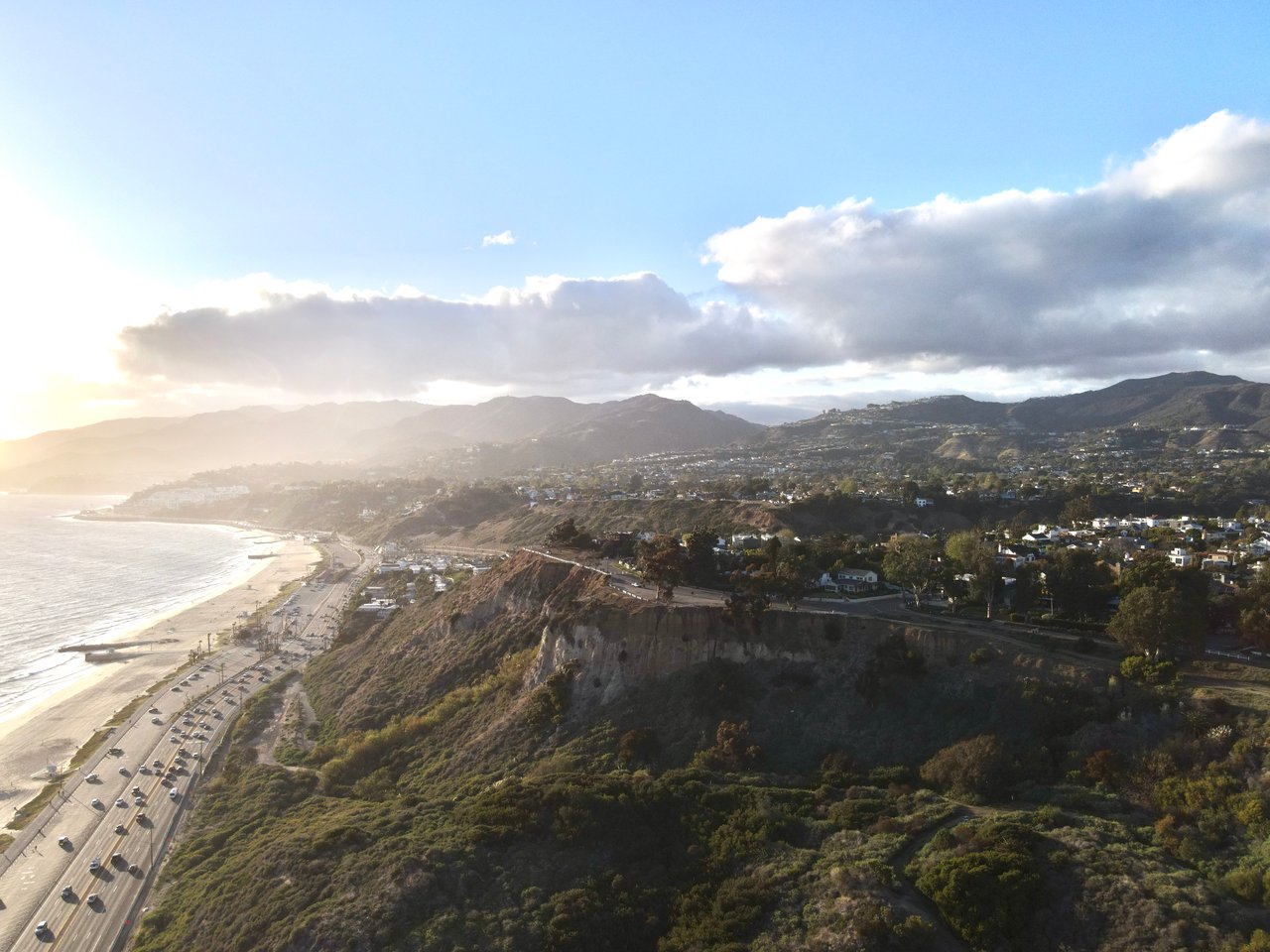
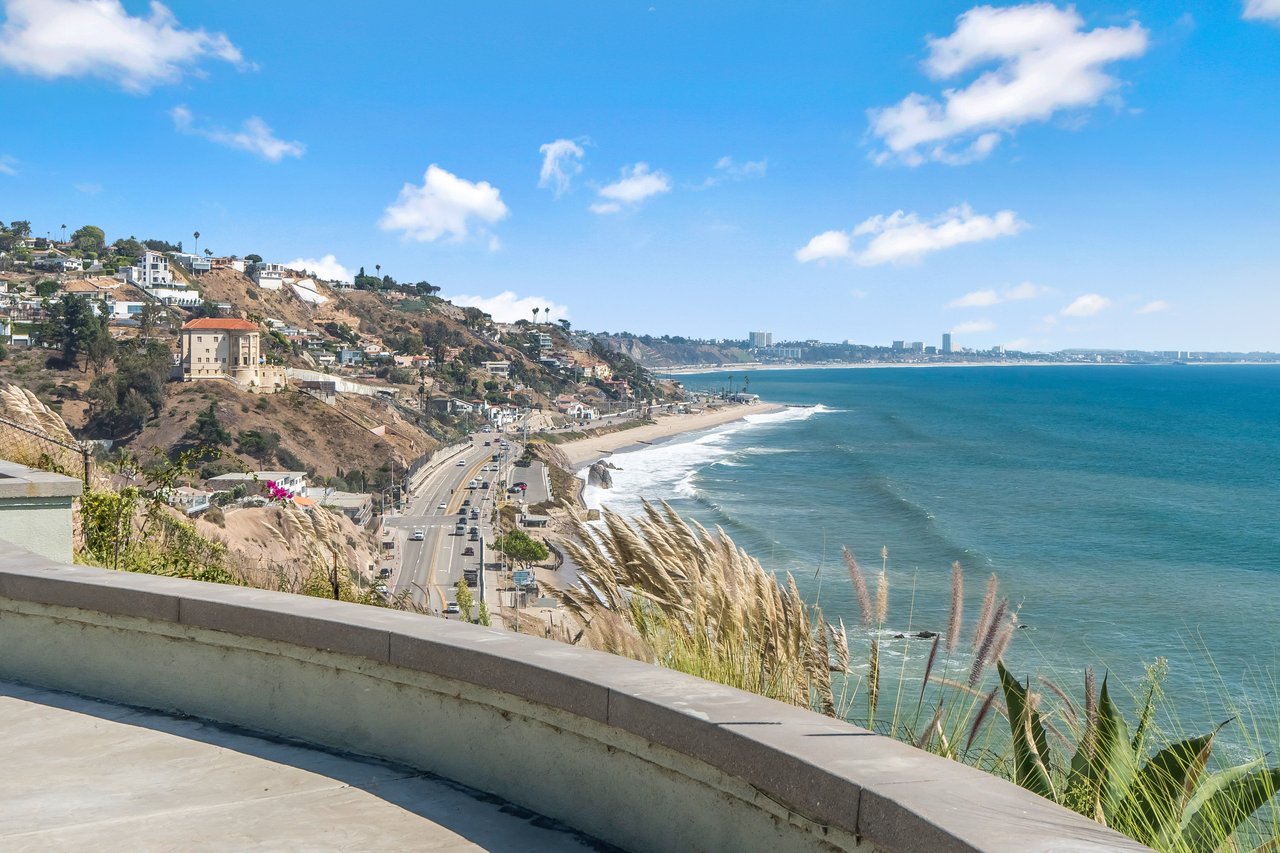
Pacific Palisades sits on the coastal edge of Los Angeles with a Village core, canyon and bluff settings, and quick beach access. City Council updates describe a community known for views and outdoor living, which is why many buyers choose it for a Westside coastal base rather than a full-time move. You can read a recent local overview on the City’s District 11 page for added context about neighborhood character and ongoing recovery efforts after the 2025 fires. See the City’s snapshot in the Pacific Palisades update.
Values vary widely by micro-market, from bluffside pockets and the Riviera to inland Highlands streets. Inventory can be thin and price points are often in the multi-million-dollar range. The January 2025 wildfires added short-term volatility and spurred a rise in lot and rebuild deals, so it pays to work with current data and a team that tracks block-by-block nuance.
Your intended use shapes everything: what is legal, how you finance, and how your taxes work. Here are three common second-home scenarios and how they fit City of Los Angeles rules.
This is the simplest path. You buy a home you use for part of the year, host family and friends, and do not operate it as a nightly rental. Lender guidelines view this as a second home when you occupy it some of the year and treat it differently than a primary or an investment. Review the agency definition in the Fannie Mae occupancy guide.
If you occasionally lease the property for 30 days or more, you are outside the City’s Home-Sharing rules. Long-term leasing is permitted, but you must comply with landlord-tenant law and any HOA or CC&R restrictions. Always request HOA documents early to confirm rental rules, insurance requirements, and assessment history.
Short-term rentals in the City of Los Angeles are tied to a host’s primary residence. The City’s Home-Sharing law requires that the listing be your primary home, and standard registrations are capped at 120 days per year unless you obtain an extended registration. A typical second home or pied-à-terre does not qualify. In short, you generally cannot legally operate a non-primary Palisades home as a nightly rental. Review the City’s rules in the Home-Sharing ordinance.
Two related notes:
Los Angeles has a base transfer tax plus an additional “mansion tax” on larger transactions under Measure ULA. The City currently describes ULA as a 4.0 percent surcharge on sales above the lower threshold and 5.5 percent on sales at or above the higher threshold. These surtaxes apply to the full sale price once the threshold is met. Sellers are responsible under the law, but in practice the cost is often negotiated in the deal. Review current thresholds, exemptions, and examples in the City’s Real Property Transfer Tax and Measure ULA FAQ.
California’s Proposition 13 sets a 1 percent base rate on assessed value plus local voter-approved assessments. A change in ownership usually triggers reassessment, and certain title moves into or out of an entity can also count as a reassessment event. Confirm the plan with your escrow, counsel, and the county before you close. Start with the LA County portal for basics on assessments and payments: LA County property tax overview.
Insurance for high-value coastal and hillside homes has been challenging statewide, especially in wildfire-exposed zones. Expect to shop multiple carriers and to gather firm replacement-cost quotes before you write an offer. The California Department of Insurance has issued updates on market changes and wildfire rules that affect availability and pricing. See the latest context from the Department of Insurance wildfire and market update.
Maintenance, landscaping, and security are higher for view, slope, and estate properties. If you plan to be away for long stretches, consider a property manager or house manager, and confirm HOA dues and special assessments where applicable.
Lenders classify occupancy types differently, which affects rates, down payment, and reserves. To qualify as a second home for agency underwriting, the property must be a one-unit dwelling suitable for year-round use, and you need to occupy it for some portion of the year. Read the official definitions in the Fannie Mae occupancy guide. If your plan leans toward frequent rentals, underwriters may view it as an investment property.
Many Palisades purchases require jumbo or portfolio loans. These products usually call for larger down payments, more reserves, and stronger documentation. If privacy or liability planning suggests buying in an entity, confirm lender policy early. Many conventional lenders require individual recourse or will not close to an entity; relationship banks may offer solutions, and all-cash with a post-close line of credit is also common.
Work with your attorney and tax advisor on title. Trust ownership is common for estate planning and privacy. Entity ownership can offer liability separation, but transfers into or out of an entity, and changes in controlling interests, can trigger reassessment in California. The state’s guidance on change-in-ownership rules is a helpful primer: see the California property change-in-ownership overview.
Large parts of the Palisades sit in mapped Fire Hazard Severity Zones. This affects insurance, defensible-space duties, and real estate inspection requirements under AB-38. Before you write, pull the state map to see how a parcel is classified and budget for hardening and vegetation management. Start with the CalFire FRAP map: Fire Hazard Severity Zone map.
The 2025 fires caused damage across pockets of the community. State leaders temporarily eased some environmental and coastal review rules for eligible rebuilds to speed recovery. That streamlining helps timelines but does not change private insurance availability or cost. See the Governor’s announcement for context: state order on rebuilding after the LA firestorm.
If you plan a major remodel or a new build, verify whether your lot sits in a coastal permit zone or within the Coastal Commission’s appeal area. Bluff and oceanfront work can require a layered process. Hillside properties bring slope stability and access questions. Engage a local land-use attorney and architect early so permit scope and timeline are clear before you close.
Use this concise list to move from interest to action with confidence.
A second home in Pacific Palisades gives you coastal calm with quick city access. The right plan respects LA’s rental rules, anticipates transfer taxes and insurance realities, and sets financing and title choices early. With disciplined due diligence, you can enjoy a lock-and-leave pied-à-terre or a flexible home base that fits your life.
If you want a clear, private path from search to keys, connect with The Cilic Group for a confidential consultation. Our team pairs hyperlocal Palisades expertise with Sotheby’s global reach to help you navigate complexity and secure the right property on the right terms.

Looking for the best real estate agent in Pacific Palisades? Joe Cilic of The Cilic Group has led Sotheby's #1 Palisades team for 7 straight years, with over $170M in … Read more


At The Cilic Group, we blend our love for real estate with a commitment to community. Partner with us to achieve your real estate dreams and make a lasting difference together.
15140 W Sunset Blvd Pacific Palisades CA 90272 Joe Cilic | CA DRE# 01421044