
January 1, 2026
Thinking about adding an ADU to your Pacific Palisades property, but unsure where to start? You’re not alone. Between state rules, Los Angeles codes, and coastal or hillside overlays, the path can feel complex. In this guide, you’ll learn how ADUs are approved in the Palisades, what is likely to limit size and placement, what the permit timeline looks like, and how an ADU can affect value and taxes. Let’s dive in.
California law sets the baseline for ADUs and limits how cities can restrict them. Most compliant ADUs must be approved ministerially, which means without a discretionary hearing. State rules also cap parking and setbacks in many cases and encourage conversions of existing space. For a plain-English overview, review the state ADU guidance provided by the California Department of Housing and Community Development (HCD).
The City of Los Angeles follows state law and applies local objective standards for height, setbacks, unit size, and lot coverage. You can typically build a detached, attached, or conversion ADU, plus a Junior ADU (JADU) under certain conditions. Many ADUs qualify for ministerial review through City Planning and the Department of Building and Safety. For current local rules and permit steps, start with Los Angeles City Planning and LADBS permit guidance.
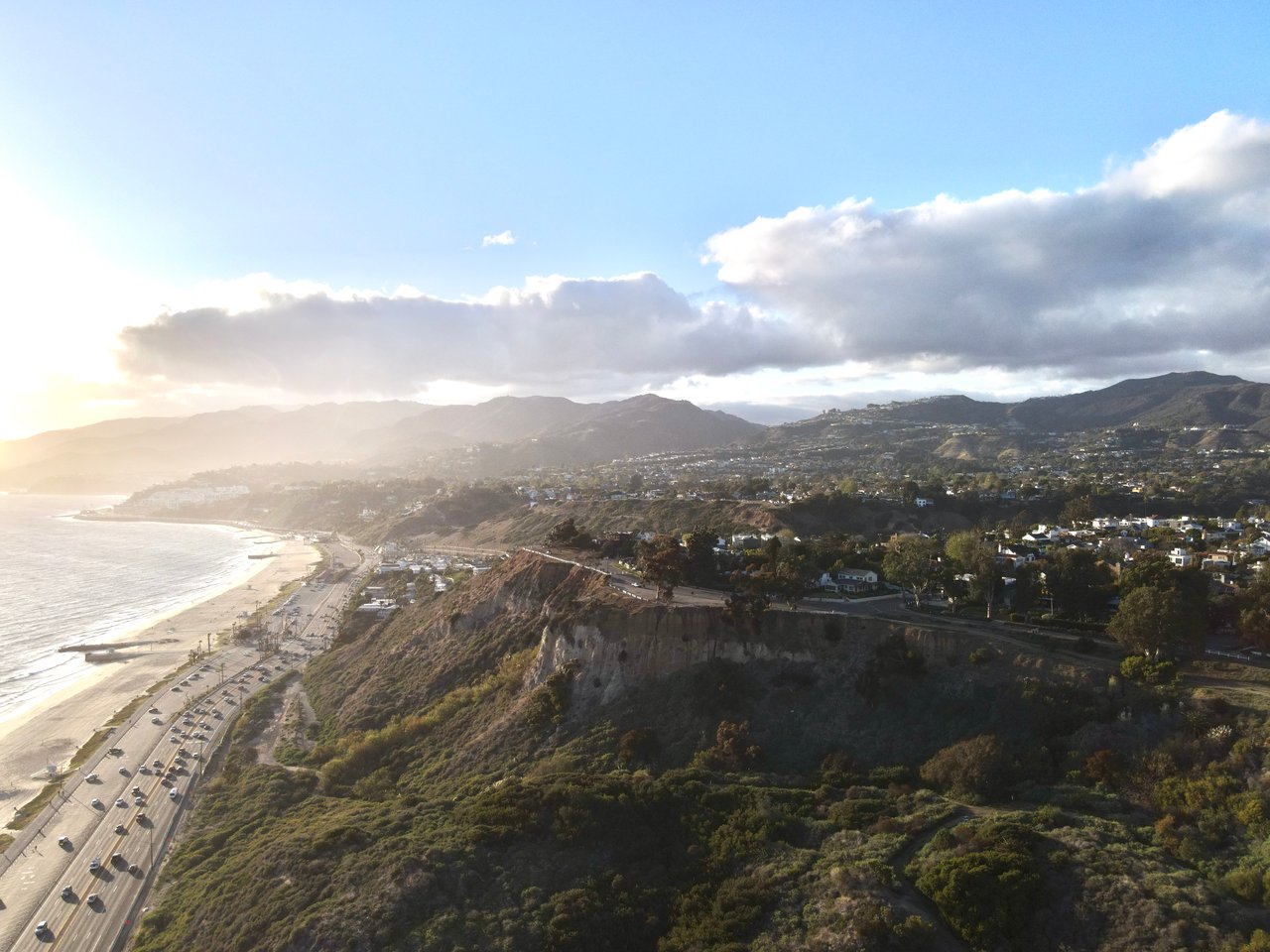
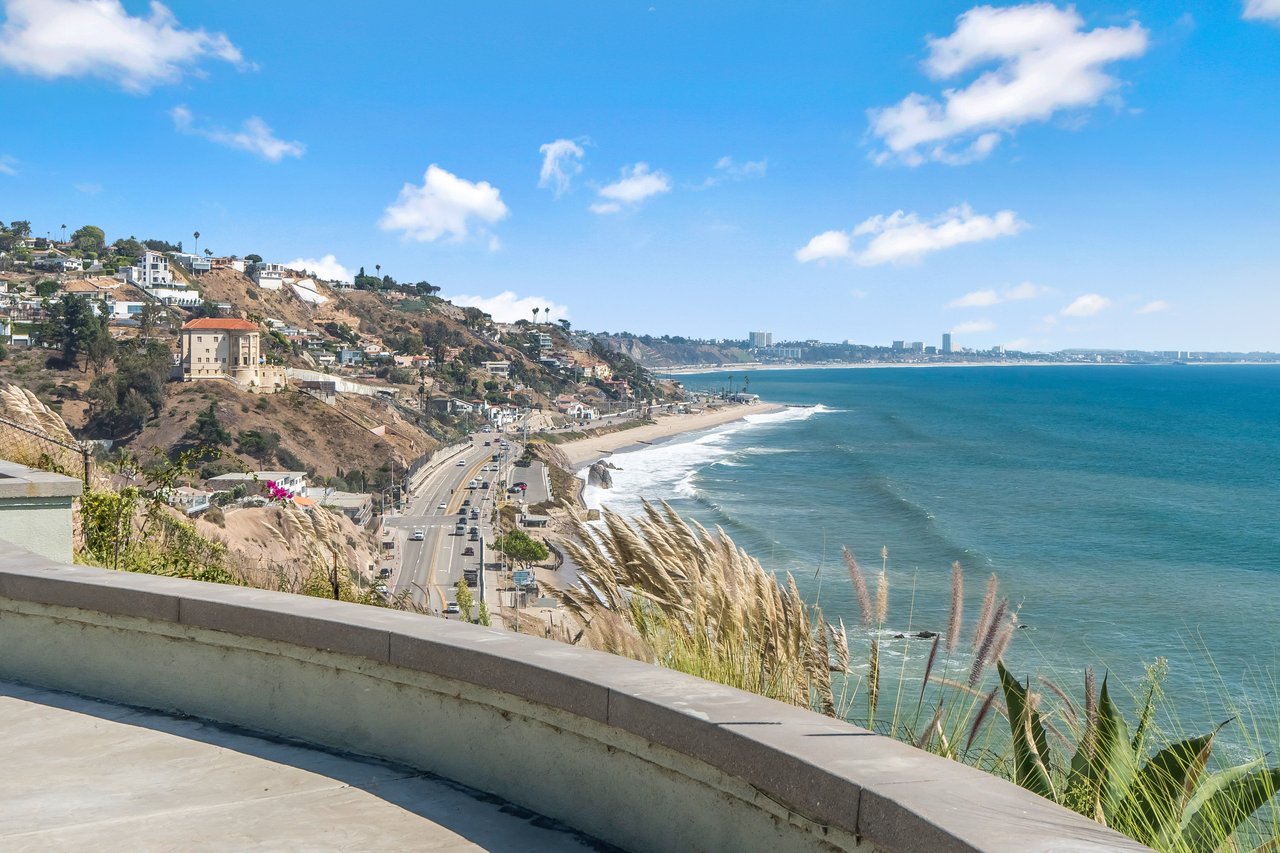
Large portions of Pacific Palisades sit in the California Coastal Zone. If your parcel is inside this boundary, your ADU may require coastal review to ensure consistency with the City’s Local Coastal Program. This can affect siting, design, and timeline. For background on permits in coastal areas, visit the California Coastal Commission’s permits overview.
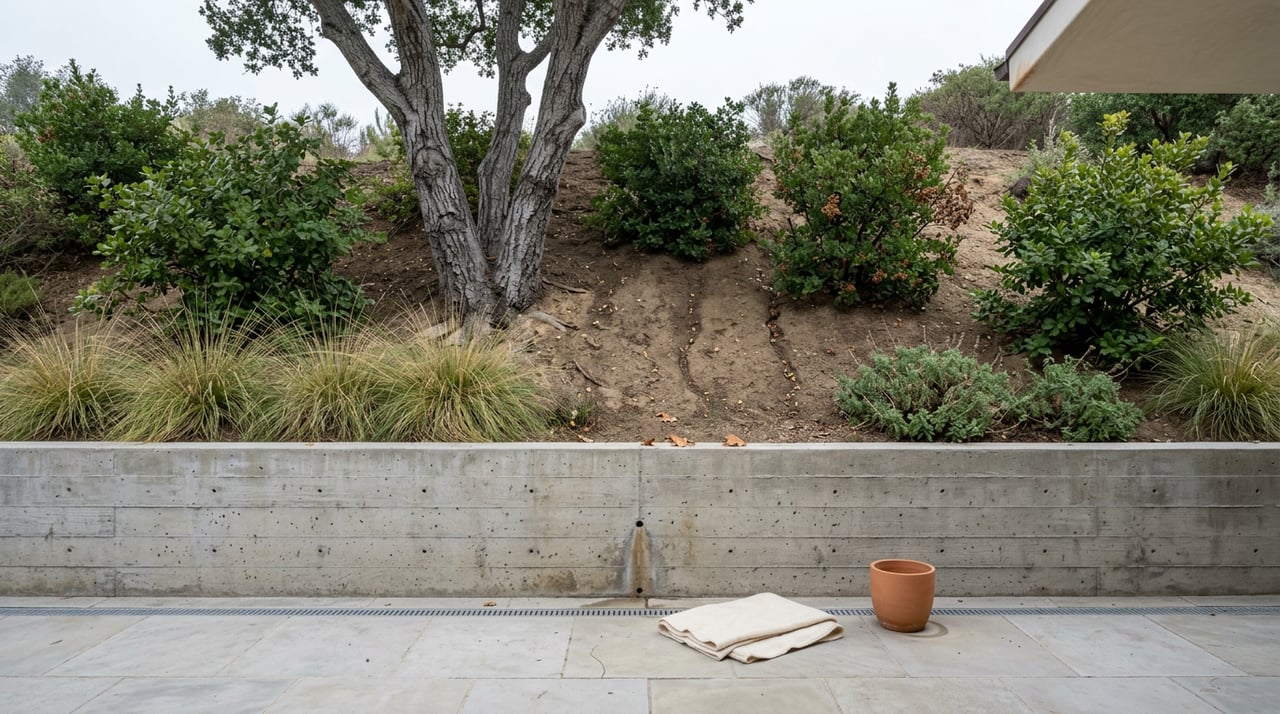
Many Palisades lots are steep or within hillside areas. Here, hillside regulations and grading policies limit cuts, fills, and retaining walls, and often require geotechnical reports and slope stability analysis. Detached ADUs on steep lots can be constrained by setbacks, height, and lot coverage. Expect added design work and potentially longer review when new foundations or significant grading are proposed.
The Palisades includes areas mapped as high or very high fire hazard. New ADUs must meet fuel-modification, ignition-resistant construction, and access standards. Materials, brush clearance, and site layout are part of compliance. For hazard designations and best practices, consult CAL FIRE’s fire hazard severity zones.
Your ADU must fit within Los Angeles objective standards for setbacks, height, open space, and lot coverage, as well as any overlay-specific rules. On smaller or hillside lots, these controls often limit detached ADUs to a modest single-story footprint. Converting existing space, such as a garage or basement, can avoid some lot coverage issues, but you still need to meet building code for egress and life safety.
State law strongly limits local parking requirements for ADUs. In many Los Angeles cases, no new parking is required, especially for conversions or lots near transit. Still, evaluate how tenants or family members will access the ADU and where vehicles will reasonably park. Narrow streets, limited curb space, or gated access can influence day-to-day use even if the code does not require new parking.
Simple ADUs that meet objective standards are intended to be approved ministerially through City Planning and LADBS. However, special conditions can trigger discretionary review, which adds public hearings and time. Common triggers in the Palisades include Coastal Zone requirements, steep hillside constraints, or historic resource considerations.
State law sets target timelines once your ADU application is complete. In practice, conversion ADUs are often the fastest to permit. Detached ADUs with grading, hillside, or coastal issues take longer, especially if additional studies or hearings are required. For coastal or complex hillside cases, plan for several extra months and build in time for plan-check responses and inspections.
Expect plan-check, permit, and related agency fees that vary by ADU type and scope. Utility upgrades for sewer, water, electrical service, and stormwater management may add cost. An ADU is considered new construction for assessment purposes and will increase your property’s assessed value. For details on how new construction affects taxes, see the Los Angeles County Assessor.
Many Palisades owners explore ADUs for long-term rental income or multigenerational living. Long-term rents are driven by privacy, finishes, outdoor space, and access. Short-term rentals are regulated in Los Angeles and may be restricted, so confirm current rules before assuming STR income.
Well-designed, legal ADUs can boost marketability by adding flexibility and potential income. Appraisers may consider the income approach, cost approach, and comparable sales when valuing an ADU. Buyers often pay a premium for permitted ADUs with privacy, a separate entrance, and independent systems. The quality of construction and clarity of permits matter.
You can fund an ADU with cash, a construction loan, a home equity loan, or specialized ADU financing offered by some lenders. Speak with your lender about qualification and draw schedules. Notify your insurer when you add an ADU, and consider landlord coverage if you plan to rent the unit. Local landlord-tenant laws apply, so review obligations before leasing.
Adding an ADU in Pacific Palisades is achievable when you plan around coastal and hillside realities and keep your design within objective standards. With solid due diligence, a clean permit path, and thoughtful execution, your ADU can serve family needs today and strengthen resale appeal tomorrow. If you’d like a confidential conversation about market impact, resale strategy, and neighborhood-specific considerations, connect with The Cilic Group.

Looking for the best real estate agent in Pacific Palisades? Joe Cilic of The Cilic Group has led Sotheby's #1 Palisades team for 7 straight years, with over $170M in … Read more


At The Cilic Group, we blend our love for real estate with a commitment to community. Partner with us to achieve your real estate dreams and make a lasting difference together.
15140 W Sunset Blvd Pacific Palisades CA 90272 Joe Cilic | CA DRE# 01421044