
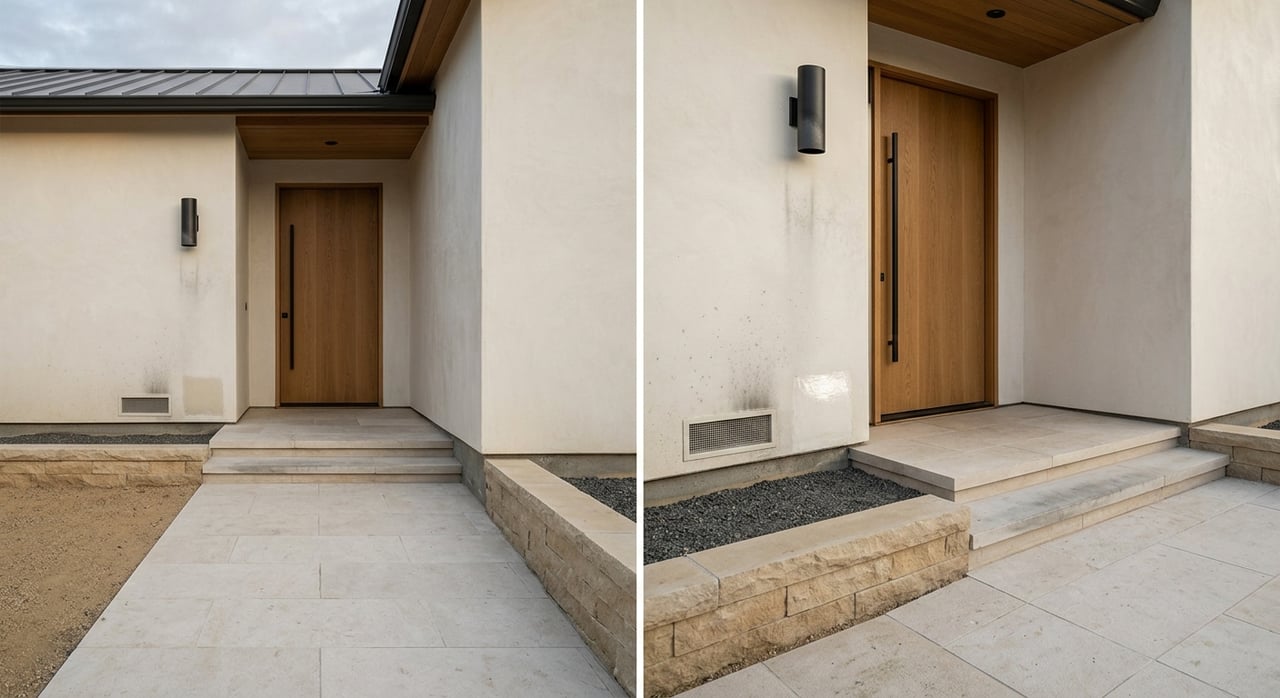
April 23, 2026
If you are thinking about selling after a wildfire in Pacific Palisades, you are likely balancing more than a normal home sale. You may be dealing with insurance questions, cleanup records, permit issues, and the emotional weight of deciding what comes next. The good news is that a strong process can help you protect value, reduce surprises, and make better decisions with confidence. Let’s dive in.
Selling after a wildfire is not just about putting a price on a house or lot. In California, sellers of single-family residential property generally must provide disclosures before title transfers, and late delivery can give a buyer a short cancellation window under California Civil Code Section 1102. Those disclosures describe known property conditions, but they are not a warranty.
For Pacific Palisades properties affected by fire, buyers will focus closely on facts that can materially affect value or desirability. Under California disclosure rules and hazard disclosure requirements, wildfire-related damage and conditions can become central to the transaction, including smoke remediation, debris status, foundation condition, and permit history. In practical terms, the more clearly you document these items, the stronger your position tends to be.
There is also an added layer for some inherited or fiduciary sales. California’s natural hazard disclosure article exempts certain fiduciary transfers, such as some trustee, probate, conservatorship, guardianship, and decedent’s-estate sales, while making clear that other disclosure obligations may still apply. If you are an heir, trustee, or executor, it is important not to assume a standard resale checklist will fit your situation.
In a post-wildfire sale, organization matters. Before you think about pricing or launch timing, it helps to build a complete file that gives buyers a clear picture of the property’s current status.
A practical seller packet should usually include four core categories:
This structure reflects the way California disclosure, insurance, and recovery rules intersect in a wildfire-affected transaction. A complete file does not remove every challenge, but it can help reduce uncertainty and keep negotiations grounded in facts.
Post-wildfire buyers tend to ask more detailed questions than they would in a routine sale. They want to understand what happened, what has been done since the fire, and what still needs attention. That means your disclosure package should be accurate, timely, and easy to follow.
If the home is in a high or very high fire hazard severity zone and was built before January 1, 2010, California also requires a separate fire hazard notice under Civil Code Section 1102.6f. This is one more reason wildfire-area sales require extra care.
In many Palisades transactions, the key disclosure topics include:
When buyers can review this information early, you are more likely to avoid confusion late in escrow.
For many sellers, insurance is the first real bottleneck. A claim may still be open, documentation may be incomplete, or there may be disagreement over scope and valuation. Those issues can affect marketing timing, buyer confidence, and your expected net proceeds.
The California Department of Insurance has stated that insurers must fully investigate smoke-damage claims and cannot deny them without a thorough investigation, as explained in its 2025 wildfire claims guidance. That is important if the property looks intact at first glance but has smoke-related issues that still affect habitability or value.
CDI also advises policyholders to get a full copy of the policy, keep a diary of all claim communications, and obtain at least one licensed contractor estimate. Its Top 10 tips for wildfire claimants also caution against rushing major decisions involving contractors, lawyers, or public adjusters. If you may sell before the claim is fully resolved, clean records can make a meaningful difference.
If you are handling an estate or trust sale and cannot locate the insurance carrier, CDI offers a free Residential Insurance Policy Locator. That can be especially helpful when records are incomplete.
Yes, a sale can move forward before an insurance claim is fully resolved. But unresolved claims can affect price, contingencies, and closing timelines.
In practice, buyers may ask questions such as:
These are not minor details. If insurance remains unsettled, the transaction file should track that clearly so buyers understand what is known and what is still in process.
In Pacific Palisades, value is often tied not only to the home that was there, but to what can happen next. That is especially true for heavily damaged homes and vacant lots.
The City of Los Angeles says complete Palisades rebuild applications are reviewed within 30 days, with permit clearances issued within 5 days under the city’s implementation guidelines. The city also states that like-for-like projects may rebuild within 110 percent of the original footprint and height. For some sellers, that can support buyer interest because it offers a clearer path forward.
Los Angeles has also created a streamlined rebuilding process and One-Stop Rebuilding Center for eligible projects. Still, not every parcel follows the same path. Some sites may face additional zoning, planning, or coastal review issues, so sellers should verify parcel-specific information before assuming the rebuild story is simple.
Two issues often carry more weight than owners expect: debris sign-off and foundation reuse. According to the city’s recovery FAQ, final debris removal sign-off is a required rebuilding step. The same guidance notes that foundations are not typically reused unless approved by a private engineer and the building official.
That matters because buyers are not just valuing land or structure. They are also valuing the likely cost, timeline, and complexity of making the property usable again. A parcel with documented debris clearance and a clearer rebuild path may be perceived very differently from one with unanswered site questions.
One of the biggest questions sellers ask is whether wildfire history automatically means a lower price. The research suggests the answer is more nuanced.
A 2023 to 2024 RFF study found that California homes required to disclose high wildfire risk sold for about 4.3 percent less than nearby comparable homes, with stronger effects in more recent years. A 2024 San Francisco Fed analysis also found that wildfire risk can weigh on values, including in areas around Los Angeles.
At the same time, another California study found a 2.2 percent price drop in nearby neighborhoods within five miles of fire perimeters, while the overall effect in fire-touched neighborhoods was not statistically significant. In other words, price impact is uneven. It depends on location, severity, condition, cleanup status, and the likely rebuild path.
For Pacific Palisades sellers, the most important pricing drivers are often:
That is why a post-wildfire pricing strategy should be based on the property’s actual status, not broad assumptions.
After a major fire, some owners receive quick unsolicited offers. While a fast sale may sound appealing, California has taken steps to address pressure selling after the January 2025 firestorms.
Governor Newsom issued an order aimed at protecting fire victims from predatory real estate speculators, and state regulators have also warned consumers about undervalue offers in wildfire areas. That does not mean every direct offer is improper. It does mean you should document the property carefully, pressure-test the pricing, and make sure urgency is not driving a decision that affects long-term value.
If you are preparing to sell after a wildfire, a measured plan usually works better than rushing to market. Buyers for these properties tend to be detail-oriented, and they often make decisions based on documentation as much as visuals.
A strong next-step checklist may include:
Selling after a wildfire is rarely a standard transaction. But with a clear file, realistic pricing, and careful guidance, you can reduce uncertainty and create a stronger path to closing.
If you are weighing whether to sell now, wait, or position a property for the most defensible outcome, The Cilic Group can help you navigate the process with discretion, local knowledge, and a clear plan.

Looking for the best real estate agent in Pacific Palisades? Joe Cilic of The Cilic Group has led Sotheby's #1 Palisades team for 7 straight years, with over $170M in … Read more



At The Cilic Group, we blend our love for real estate with a commitment to community. Partner with us to achieve your real estate dreams and make a lasting difference together.
15140 W Sunset Blvd Pacific Palisades CA 90272 Joe Cilic | CA DRE# 01421044